
Creating a comfortable outdoor space is a dream for many homeowners in the Tri-Cities. Long summer days bring beautiful sunshine, but also strong glare, high temperatures, and limited comfort.
That is where outdoor shade solutions like awnings and patio shades come in. Both increase usability, protect furniture, and add value to a home. Plus, many reduce unwanted solar heat through your home’s windows, sometimes by up to 60% (per the U.S. Department of Energy).
The question is, which option fits your space and lifestyle better? Let’s break it down clearly so you can make an informed choice.
Introduction to Outdoor Shade Solutions
Outdoor shading is about more than just comfort. It extends the time you can spend outside, protects your windows, reduces heat inside your home, and improves overall livability.
In an area known for bright sunlight and dry conditions like Kennewick or Pasco, shade is often a practical need, rather than just a luxury.
Common outdoor shade concerns in the Tri-Cities include intense UV exposure, excessive glare, warm patio surfaces, and fading of outdoor furniture. Thankfully, modern patio awnings and patio shade systems make it possible to enjoy open-air living spaces without sacrificing light or comfort.
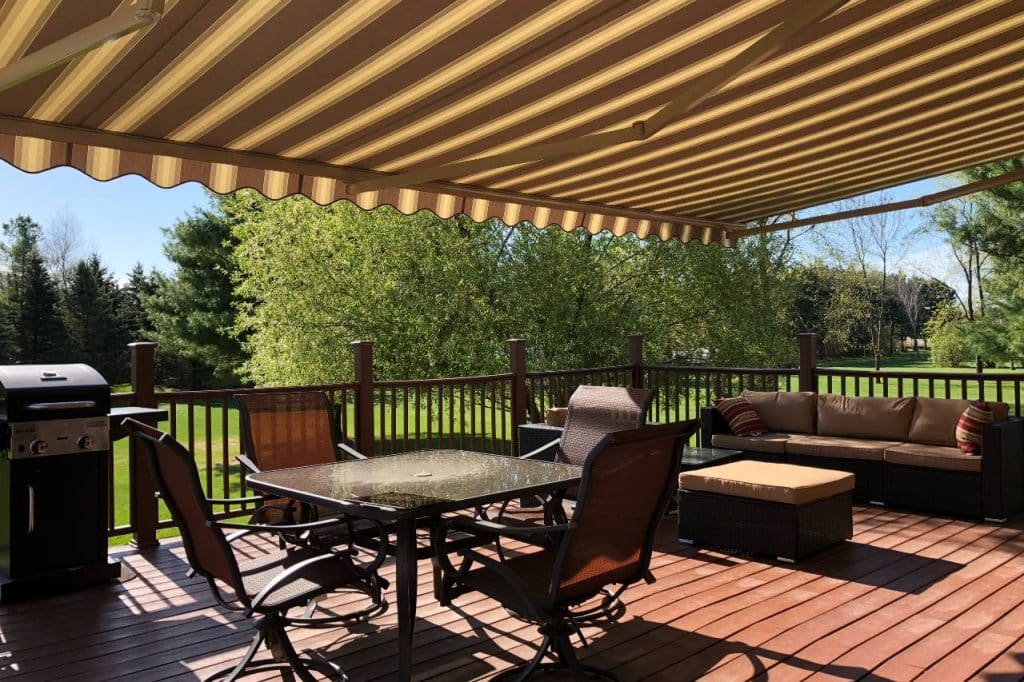
What Are Awnings?
Awnings are durable coverings that extend outward from a wall to provide overhead shade. They can cover patios, decks, windows, and even doors. The main purpose is to block direct sunlight, reduce heat, and create a pleasant shaded area.
There are two main types: fixed and retractable awning systems.
- Fixed Awnings: These remain in place year-round, offering consistent protection. They are strong and stable, ideal for areas that experience minimal wind exposure.
- Retractable Awnings: These can extend or retract using manual cranks or motorized controls. Homeowners choose retractable options for flexibility, open them on sunny days and retract them to enjoy the night sky or protect them during bad weather.
Common materials include weather-resistant fabrics, aluminum frames, and UV-coated materials. Awnings are versatile and typically installed above patio doors, windows, or outdoor entertainment zones.
What Are Patio Shades?
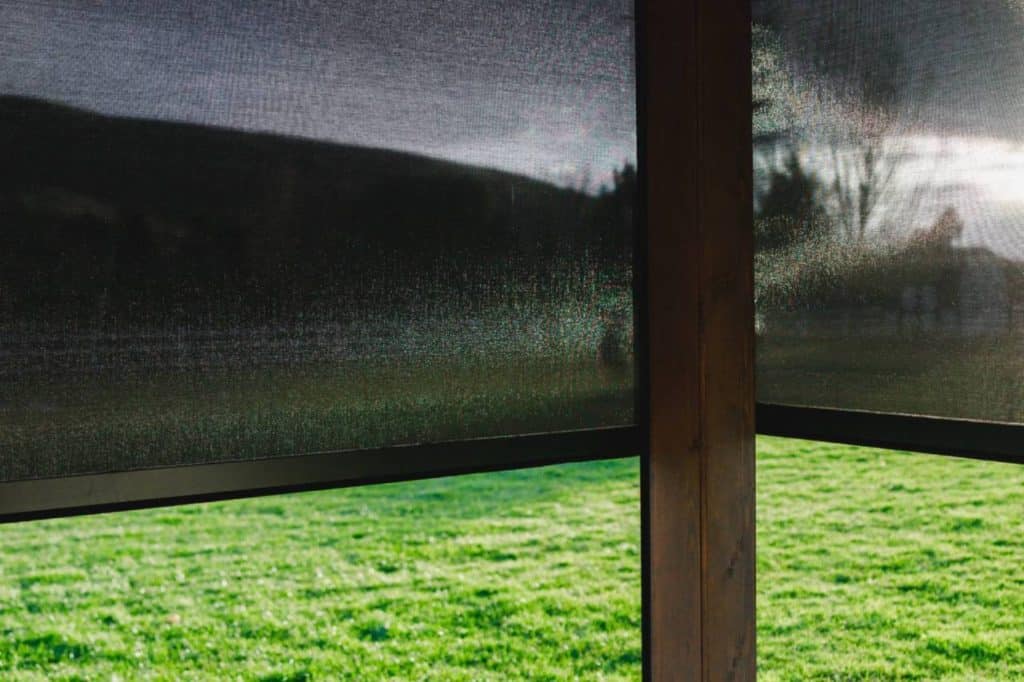
While patio shades also manage sunlight, their structure and purpose differ from awnings. Instead of providing overhead protection, patio shades act as vertical screens. They block sunlight, glare, and heat from entering your patio or indoor space through openings.
Patio shades may be manual or motorized, with the latter offering convenient remote or smart control. The choice often depends on your daily use and the size of the area you want to shade.
Two popular material types exist:
- Screen-Style Shades: Made from mesh fabric that filters sunlight and maintains visibility.
- Solid Fabric Shades: Provide stronger light-blocking performance for full privacy and sun control.
Patio shades are commonly installed on covered patios, pergolas, verandas, or outdoor kitchens. They allow airflow while reducing glare, making your space feel open yet protected.
Core Differences Between Awnings and Patio Shades
Although both options increase outdoor comfort, they operate differently and serve distinct purposes.
1. Coverage Area:
A patio awning gives overhead protection, ideal for covering wide patio areas, windows, or decks. In contrast, patio shades offer vertical coverage, perfect for sun filtering on one or more sides.
2. Adjustability:
A retractable awning adjusts easily for changing sun angles. Patio shades also move up or down, but they control light sideways rather than above.
3. Visual Impact:
Awnings can enhance exterior design with bold patterns or neutral tones. Patio shades appear sleek and modern, blending with existing structures.
4. Integration:
Awnings attach to walls or roof structures. Patio shades integrate into patio frames, pergolas, or ceilings.
5. Weather Protection:
Awnings protect from light rain and direct sun. Patio shades mainly manage glare and UV exposure while maintaining airflow.
Benefits of Awnings
Awnings offer a versatile way to add shade and comfort without permanently enclosing an outdoor space. In the Tri-Cities, where strong sun and warm afternoons are common, awnings give homeowners the ability to manage heat and light while still enjoying an open-air feel.
Whether installed over a patio, deck, or windows, the right awning improves usability, visual appeal, and day-to-day comfort.
1. Effective Sun Protection:
Overhead coverage blocks UV rays and reduces surface heat, creating a cool outdoor retreat during warm Tri-Cities afternoons.
2. Shades Larger Areas:
Fixed and retractable models can cover expansive patios and decks, allowing more seating or dining areas under shade.
3. Flexible Use:
A retractable awning provides complete control. Extend it for protection or retract it when you want sunlight or an unobstructed view of the night sky.
4. Enhanced Appearance:
Awnings add architectural character to your home. Color and fabric variety can complement both modern and traditional exteriors, boosting curb appeal.
Benefits of Patio Shades

Patio shades offer a flexible way to manage sun exposure without permanently enclosing an outdoor space. They are especially useful for patios that receive intense afternoon heat, direct glare, or low-angle sunlight that traditional roof covers cannot block.
For homes dealing with shifting sun angles throughout the day, patio shades provide practical advantages that enhance how outdoor spaces are used.
1. Vertical Sun Control:
They block the sun from the sides, a key advantage during mornings and evenings when sunlight enters at lower angles.
2. Airflow with Comfort:
The mesh design filters light while allowing air to circulate, keeping your patio cooler without enclosing it fully.
3. View Preservation:
Screen fabrics let you enjoy your outdoor surroundings while reducing glare, ideal for homes overlooking gardens or landscapes.
4. Improved Comfort and Functionality:
Patio shades increase privacy and reduce heat buildup in outdoor rooms or adjacent indoor spaces.
Choosing the Right Option for Your Home
The decision between awnings and patio shades depends on how you use your outdoor space and what issues you face most with sunlight.
Here are key points to think through:
- Patio Orientation: Which direction does your patio face? If direct overhead sunlight causes discomfort, a patio awning can help. For glare from low sunshine in the mornings or evenings, patio shades work best.
- Shade or Openness: If you want flexible coverage, a retractable awning lets you adjust easily. Patio shades create a more enclosed, filtered-light feel.
- Outdoor Frequency: Consider how often you use your space. Regular entertaining might require both horizontal and vertical shade features.
- Design Preferences: Awnings add architectural statement and visible structure. Patio shades feel subtle and integrated.
- Budget: Fixed awnings are economical. Retractable or motorized systems add convenience at a higher price point.
In many Tri-Cities homes, combining both creates complete coverage: a patio awning handles top sun exposure while patio shades manage the sides. This combination allows year-round usability with full comfort.
Installation and Customization Considerations
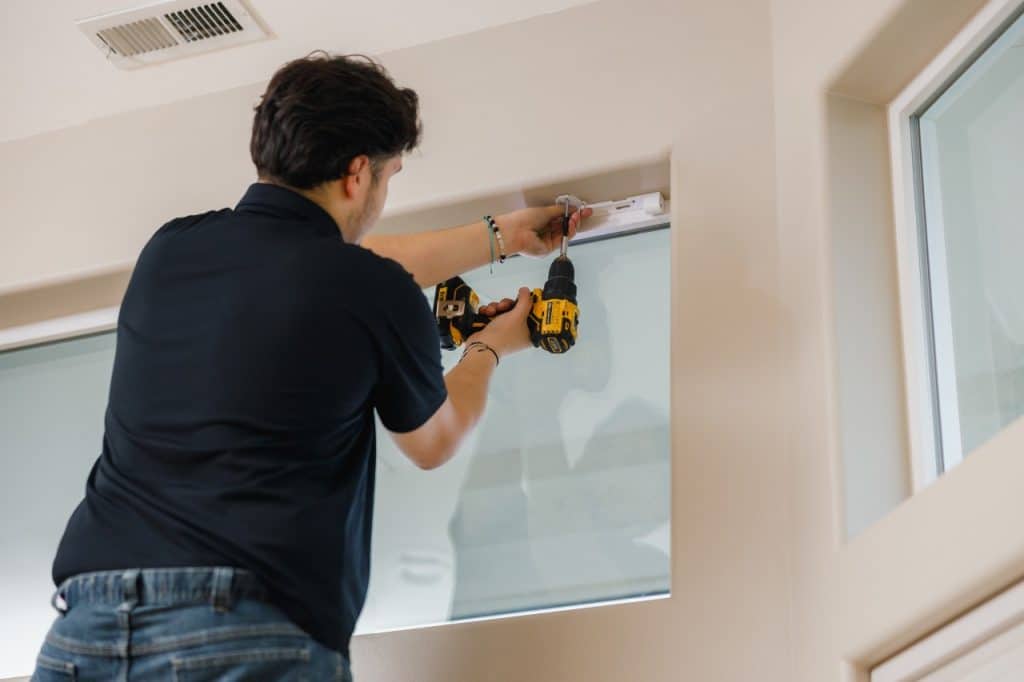
High-quality shading requires precision. Professional measurement and installation guarantee proper alignment and secure support. Each home has unique wall heights, structures, and orientation to sunlight, which impacts fitting design.
Customization options are extensive. You can select:
- Fabrics in UV-resistant finishes
- Frame colors to suit your exterior
- Smart or manual control systems
Many homeowners prefer motorized operation for ease, especially in larger spans where adjusting by hand is difficult. Additional smart features, like sensors, can automatically extend or retract shades based on sunlight or wind.
Maintenance also affects durability. While both systems are long-lasting, fabric longevity depends on proper cleaning and protection during harsh weather.
Climate Considerations for the Tri-Cities
The Tri-Cities region features strong sunlight, regular wind, and dry summers. These conditions encourage practical shading decisions.
- Managing Heat: High temperatures make direct-shade coverage from awnings essential for patios and seating zones.
- Wind Resistance: Choose robust mounting options and consider retractable awning models that can roll in during gusty conditions.
- Seasonal Benefits: Retractable models adapt to seasonal use. Use them fully extended in summer, partially retracted in autumn, and stored away over winter if needed.
- Sunlight Adaptation: Patio shades control light throughout the year, reducing reflection off nearby surfaces while maintaining airflow.
For those in suburbs like Richland or Pasco, pairing both solutions can maximize all-season comfort.
Closing Guidance
Both awnings and patio shades improve outdoor living, but the right choice depends on your priorities. Awnings create a roof-like extension, ideal for overhead coverage and larger shaded areas. Patio shades act as vertical light filters, better for glare control, low-angle sun, and maintaining views.
Before you decide, review your outdoor setup: sun exposure, patio direction, design taste, and daily use. The best shade solution is the one that complements how you live, not just current design trends.
For expert help comparing options for your Tri-Cities home, schedule a free in-home consultation with Blind Guy of Tri-Cities to compare awnings and patio shades, review options like a retractable awning, and find the perfect patio awning solution for your home.