
When you start thinking about upgrading your window treatments, it’s rarely just about looks. You’re likely thinking bigger: Will this actually add value to my home? Will buyers care? Am I making a smart investment, or just spending money on something cosmetic?
Around the Tri-Cities, where homes range from newer builds to established neighborhoods with character, those questions are smart to ask. The right choice between shutters and blinds can shape how your home feels every day and how it’s perceived when it’s time to sell.
Let’s break it down in a practical, no-nonsense way so you can decide what makes sense for your home and long-term plans.
How Window Treatments Impact Home Value
Buyers notice details. They don’t always note them consciously, but they feel them.
High-quality window treatments influence:
- Perceived quality of the home
- Natural light control and comfort
- Energy efficiency
- Finished vs. unfinished feel
Well-fitted shutters or blinds signal that a home has been cared for. On the other hand, poorly fitted, outdated, or flimsy coverings do the opposite.
That’s why the global market for blinds and shades is booming. Fortune Business Insights projects that it will grow from USD $7.51 billion this year to at least $9.5 billion by 2034, indicating that more and more homeowners (and buyers) care about investing in window treatments.
Why Interior Shutters Stand Out
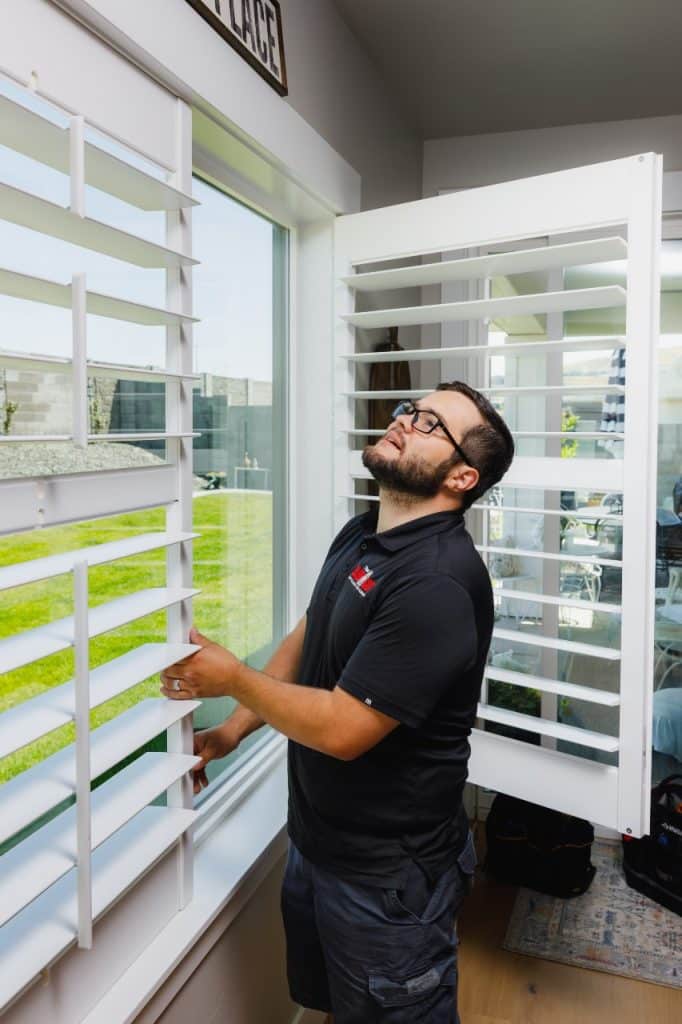
There’s a reason interior shutters show up in higher-end homes and real estate listings that stand out.
Built-In Instead of Tacked-On
Unlike many blinds, plantation shutters are installed within the window frame, either as an inside mount or outside mount, depending on the opening. That built-in look immediately elevates the space.
They feel permanent, and buyers tend to value anything that feels permanent.
Timeless, Classic Style
Plantation shutters bring a classic style that works across:
- Traditional homes
- Transitional layouts
- Even clean, contemporary spaces
The wide louvers and customizable louver sizes give you control over both light and privacy, without clutter.
Materials That Matter
You’ve got options, depending on your needs:
- Real wood shutters for a premium, natural finish
- Composite shutters for strength and moisture resistance
- Vinyl shutters for budget-friendly durability
In Tri-Cities homes (especially in kitchens, bathrooms, or humid areas), composite shutters tend to hold up especially well.
Durability That Pays Off
This is where shutters separate themselves. High-quality shutters are built for long-term durability:
- Reinforced panels
- Solid hang strips
- Strong divider rails for larger openings
They don’t warp easily. They don’t tangle, and they don’t need replacing every few years. That’s where the long-term value starts to show up.
Where Blinds Still Make Sense

As experts in this field, we can say that traditional blinds aren’t going anywhere, and for good reason.
Flexibility and Variety
Blinds offer a wide range of:
- Materials
- Colors
- Textures
- Price points
From sleek modern styles to simple, functional options, there’s something for every room and every budget.
Lower Upfront Cost
If you’re working within a tighter budget or updating multiple rooms at once, blinds can be a practical starting point.
Clean, Minimal Look
In certain spaces, especially modern homes, blinds can complement a streamlined design without drawing extra attention.
Upfront Cost vs Long-Term Value
Here’s where homeowners tend to pause. This is a big investment, and you need to think carefully about how your money is functioning.
Shutters
Shutters come with a higher initial investment, but they’re built to last. Their longer lifespan and built-in appearance mean they’re often viewed as a permanent upgrade rather than a temporary add-on. That perception can carry real weight when it comes to resale appeal.
Blinds
Blinds are usually easier on the wallet upfront. However, their lifespan tends to be shorter depending on the material, and they’re generally seen as something that can be replaced rather than a lasting feature of the home.
If you’re planning to stay in your home for years (or want your upgrades to carry weight with buyers), shutters often win on overall value.
Durability: What Actually Holds Up?
Let’s talk about real-life use. Your windows are part of your everyday routine, so whatever you install needs to keep up.
Shutters
Shutters are built with solid panels and stable louvers that are designed to handle daily wear. They tend to hold their shape over time and perform well in high-traffic areas where they’re opened and adjusted frequently.
Blinds
Blinds are more prone to bending, tangling, or breaking with regular use. Over time, cords and internal mechanisms can wear out, which often leads to repairs or full replacements.
If you’ve ever dealt with bent slats or tangled cords, you already know how this plays out.
Energy Efficiency and Comfort
Tri-Cities weather can swing from hot summers to extremely cold winters. Your windows play a significant role in your home’s comfort during these temperature fluctuations.
In fact, the U.S. Department of Energy estimates that about 30% of a home’s heating energy is lost through windows. In cooling seasons, about 76% of the sunlight that falls on standard double-pane windows enters to become heat!
So here’s how these two window treatment options stack up regarding efficiency:
Shutters
Shutters fit tightly within the window frame, creating a more sealed finish that adds an extra layer of insulation. This helps regulate indoor temperatures and can make a noticeable difference in overall comfort.
Blinds
Blinds do offer light control, but they are generally less effective at sealing air gaps, which means they don’t provide the same level of insulation as shutters.
Maintenance and Upkeep

Nobody wants high-maintenance upgrades for window treatments that were already pricey. Here’s how shutters and blinds compare:
Shutters
Shutters are easy to wipe clean and don’t come with cords or fabric to deal with, which makes day-to-day upkeep simple. They also tend to hold up well in humid climates, making them a reliable option in spaces like kitchens and bathrooms.
Blinds
Unfortunately, blinds tend to collect dust more easily and usually need more frequent cleaning to keep them looking fresh. Over time, the cords and internal mechanisms can wear down, which may lead to repairs or full replacements.
This is one of those “small daily things” that adds up over time.
Aesthetic Impact by Home Style
Choosing between shutters and blinds isn’t just about performance, but how they fit your home.
Traditional Homes
Plantation shutters tend to feel right at home here. The classic style enhances architectural details without overpowering them.
Contemporary Spaces
Both can work. Larger louver sizes on shutters can lean modern, while blinds offer a minimalist edge.
Transitional Designs
This is where custom plantation shutters really shine. They bridge traditional and modern without feeling forced.
Room-by-Room: What Works Best?
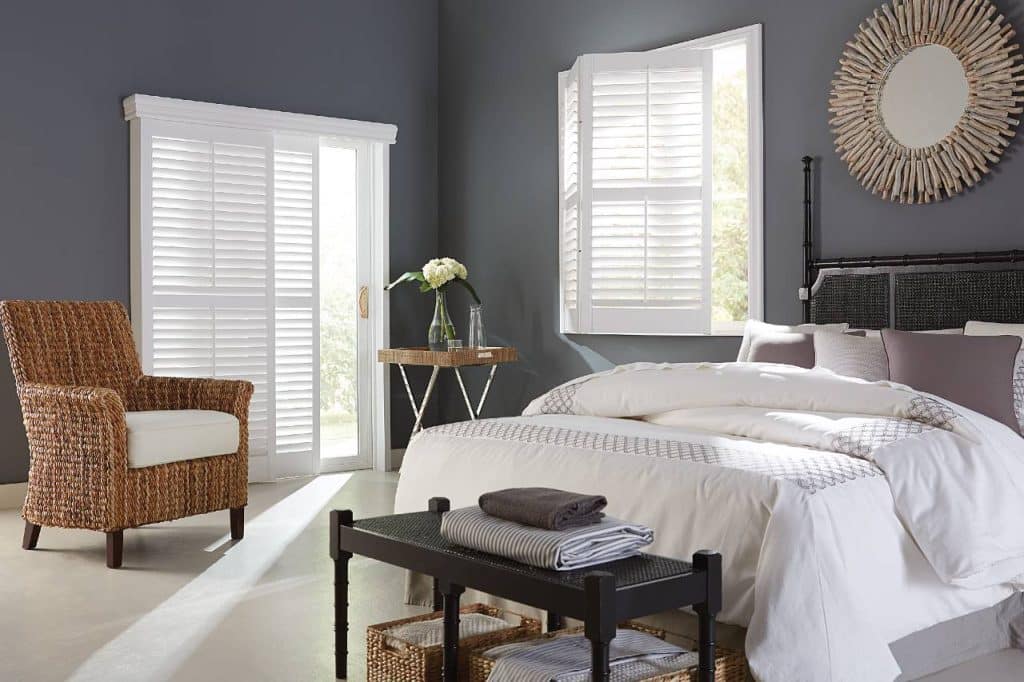
Not every room needs the same solution for window treatments. For example:
Living Rooms & Main Areas
Shutters add visual weight and consistency. Great for spaces where you want a finished, polished look.
Kitchens & Bathrooms
Composite shutters or vinyl shutters handle moisture better than many blinds.
Bedrooms
Both work. If you want total light control, layering options may come into play.
French Doors & Large Windows
Shutters offer better access and durability. Properly installed panels allow you to use doors without hassle.
Customization and Fit
No two windows are exactly alike. With custom plantation shutters, you can customize:
- Louver sizes
- Panel configurations
- Divider rails for visibility and structure
- Inside mount or outside mount installation
That level of detail helps everything align cleanly with your window size and layout. Blinds offer customization, too, but typically with fewer structural options.
When Shutters Make More Sense
Go with shutters if:
- You want a long-term upgrade
- You care about resale presentation
- You prefer a built-in look
- You want maximum durability
When Blinds Are the Better Choice
Stick with blinds if:
- You’re updating on a budget
- You need a quick solution
- You prefer a lighter, less permanent look
The Smart Move: A Hybrid Approach
Here’s what many Tri-Cities homeowners end up doing:
- Shutters in main living spaces
- Blinds in secondary rooms
This approach balances cost with impact and gives you flexibility without sacrificing style.
Why Go With Professional Window Treatment Installation?

This part gets overlooked more than it should, but installation plays a serious role in how your window treatments perform and look over time. Proper installation affects how everything fits within the window frame, how smoothly the louvers open and close, how well the materials hold up over years of use, and the overall appearance of the finished product.
Whether you choose an inside mount or outside mount, the right fit is what separates something that looks “good enough” from something that feels like it was built specifically for your home.
So… Which Adds More Value?
If we’re talking strictly about home value, interior shutters tend to come out ahead. They offer:
- A permanent, built-in look
- Strong durability
- Broad buyer appeal
- Consistent performance over time
However, remember that value isn’t one-size-fits-all. The best choice is always going to be the one that fits your home, timeline, and how you actually live in the space.
Ready to Invest in Window Treatments That Enhance Both Beauty and Value?
Let’s find the option that works for your home. Contact Blind Guy of Tri-Cities today for a free in-home consultation and explore whether interior shutters, blinds, or a combination of both will maximize your home’s appeal and value.